

Start from the friction you need to remove
Different businesses feel the problem in different places. Some are hard to find. Some lose momentum after the click. Some struggle to stay visible. Some create too much delay in the journey.
WitFlow helps across all of these, but the best entry point depends on where friction is happening now.
Most growth problems are not random
When revenue or pipeline feels stuck, the cause rarely appears as a single broken tactic. It usually shows up as one of a few recurring patterns: weak discoverability, a conversion journey that asks too much too soon, inconsistent presence in the market, invisible friction in the journey, or fragmented execution across channels.
This page organises WitFlow by those patterns so you can recognise your situation first, then explore the part of the system that fits.
The five patterns we see most often
- Weak discoverability: strong in reality, weak in the moments where buyers search, compare and ask questions.
- Poor conversion journey: attention arrives but pages and flows do not help people progress before asking for commitment.
- Low consistency of presence: expertise exists internally but the market experiences it unevenly.
- Too much friction in the journey: delay, repetition and unclear next steps that weaken both conversion and conversations.
- Fragmented execution: plenty of activity across campaigns, content and accounts, without enough coordination.
Be found in AI and search
Some companies are credible and capable in person, yet barely appear when buyers search, compare or ask tools and answer engines for options. The gap is not always quality. It is often structure, clarity and coverage across how people discover answers today.
That includes classic search engine optimisation, but it also includes answer engine optimisation: content and site structure that help both humans and systems understand what you do, who it is for, and why it matters. Geographic and local relevance still matter for many B2B journeys, so geo signals need to align with how you actually operate.
If your buyers cannot find clear answers about you in the channels they trust, part of the decision happens without you. The work is to become easier to find and easier to understand in those discovery moments.
What this usually looks like
- ·Strong conversations when you are already in the room, but thin inbound from how buyers research beforehand.
- ·Competitors cited in AI answers or comparison threads while you are absent or described vaguely.
- ·Website pages that rank for brand terms but not for the questions buyers actually ask.
What changes when this improves
You show up in more of the early journey, with clearer explanations and stronger alignment between what the market sees and what your team knows to be true.

Turn interest into action
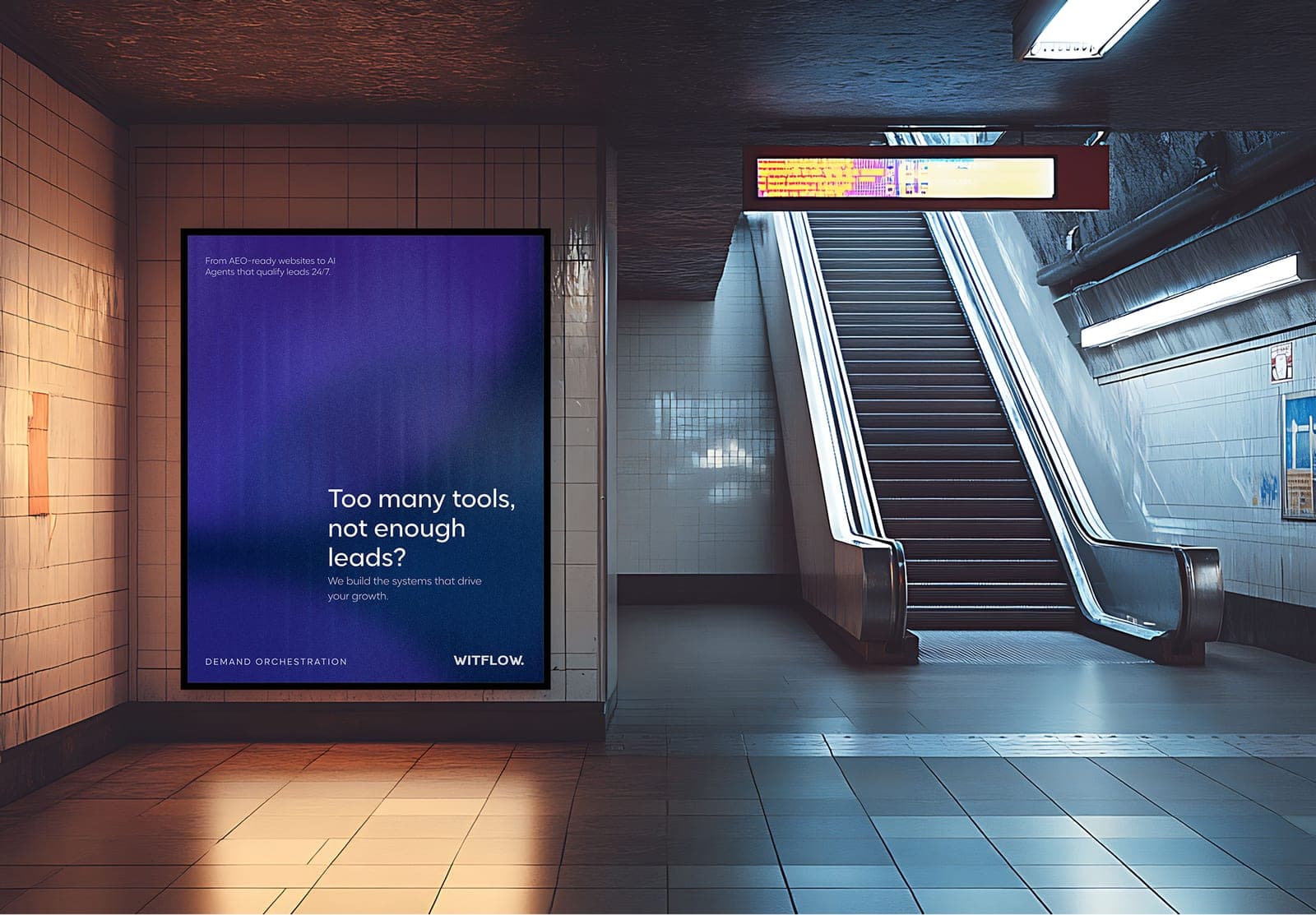
Interest is easy to celebrate and hard to protect. Buyers arrive with curiosity, then hit a page that gates too early, explains too little, or pushes a meeting before they have learned enough to justify one.
Interest alone is not enough. The journey has to help people make progress: clearer relevance, useful detail, and lightweight ways to act before heavy commitment. When that sequence is wrong, you do not lose bad leads. You lose good ones that needed a better next step.
This pattern is about designing the path from attention to useful action so that momentum survives the first click.
What this usually looks like
- Healthy traffic or engagement, but weak progression to meaningful next steps.
- High bounce on key landing experiences, or forms that only work for people already sold.
- Sales conversations that start cold because marketing never gave the buyer enough to self-advance.
What changes when this improves
More of the right people move forward with less pressure: they understand fit sooner, arrive in sales better prepared, and waste less time on mismatches.
In practice
A revenue leader once described their pipeline as “busy but blurry”. Campaigns were live, content was shipping, and the team was working hard. Yet when a buyer finally engaged, the first sales calls still felt like cold discovery. Marketing was measuring activity. Sales was measuring conversations. Nobody was measuring whether the journey had prepared the buyer to move.
That is a common shape of friction: not one broken channel, but a gap between effort and journey quality. The right entry point might be discoverability, or the first landing experience, or how guidance is delivered before a human steps in. Starting from the friction, rather than from a tool list, is how you choose a sensible first move.
Stay visible and top of mind
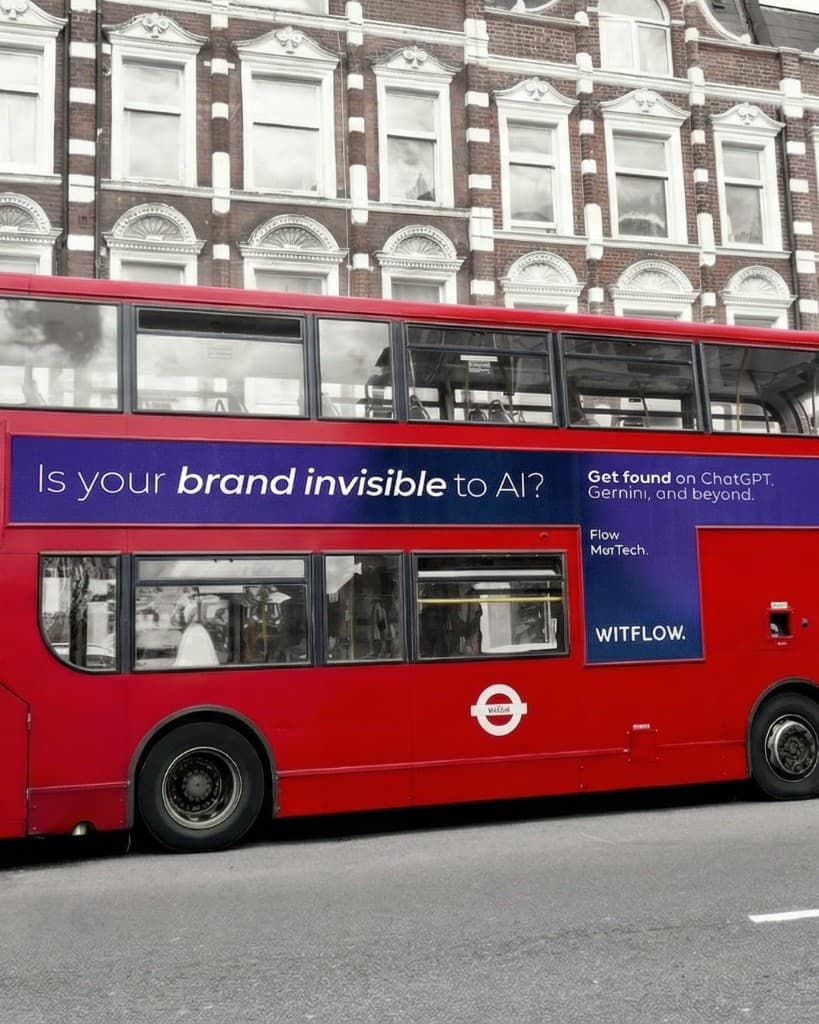
In crowded markets, one strong message or campaign rarely builds durable preference. Buyers compare options over time. Memory and recognition become commercial advantages.
Many firms have real expertise internally, but the market experiences it in bursts: a spike of activity, then silence, then a different message. Inconsistency erodes trust and makes you easier to forget when a decision finally lands on someone’s desk.
This pattern is about sustaining a credible, coherent presence without forcing the team into constant manual strain.
What this usually looks like
- · Great work that never quite translates into a steady market-facing rhythm.
- · Social and content channels that feel reactive, uneven, or dependent on one person.
- · Buyers who respect you but cannot recall what you stand for when it matters.
What changes when this improves
The market encounters you more predictably, with a clearer story and less burnout for the people creating the work.
Reduce friction in the journey
Some friction is obvious: slow responses, broken handoffs, confusing pages. Much of it is subtle: repeated questions, unclear ownership, waiting states that train buyers to disengage.
That friction rarely shows up as a single metric. It shows up as softer conversion quality, longer cycles, and conversations where both sides feel like they are starting from zero.
The goal is not to remove humans from the journey. It is to remove unnecessary delay and confusion so buyers and teams reach better conversations faster.
What this usually looks like
- ·Marketing generates activity, but sales reports low-quality or poorly timed conversations.
- ·Buyers repeat the same discovery questions to multiple people on your side.
- ·Internal teams spend time on explanation that better structure and guidance could handle earlier.
What changes when this improves
Fewer dead ends, clearer ownership of next steps, and journeys that respect both the buyer’s time and your team’s capacity.

Coordinate demand across channels
Many B2B teams run campaigns, content, outbound, paid media, events and account programmes at the same time. The problem is rarely a lack of motion. It is that the motion does not share the same context.
Signals live in different tools. Teams optimise locally. Accounts see inconsistent narratives. Priority shifts by opinion instead of evidence. The result is busy work that does not compound.
This pattern is about orchestration: aligning activity around the same accounts, the same story, and the same signals so execution gets sharper instead of louder.
What this usually looks like
- · Strong channel metrics that do not translate into coherent account momentum.
- · Multiple teams contacting the same accounts with different messages.
- · Reporting that describes activity more clearly than it describes opportunity.
What changes when this improves
Demand work connects: priorities are clearer, timing improves, and the organisation spends less energy reconciling versions of the truth.
Signal-led coordination across accounts and channels.
View solutionExplore Witfy.socialStructured social presence with less manual strain.
View solutionExplore AI-native CMSContent with structure, purpose and discoverability in mind.
View solutionExplore OutreachSignal-led prospecting that finds intent, researches contacts and sends scored emails.
View solutionQuestions we hear often
What does “start from the friction” mean?+
It means naming where the buyer journey is breaking down before choosing tactics or software. Once the friction is clear, you can pick the part of the WitFlow system that addresses it directly, instead of spreading effort across everything at once.
Why organise use cases by need instead of by service?+
Most teams do not wake up wanting a CMS or an agent. They notice a problem: we are hard to find, we lose people after the click, we vanish between campaigns, or our channels do not line up. Need-led navigation matches how buyers and leaders actually think.
How do I know which WitFlow solution fits us best?+
Use this page to find the pattern that sounds closest to your reality, then read the linked solution pages for depth. If several patterns fit, start with the one that is costing you the most momentum now. You can also book a conversation and we will help you choose a sensible entry point.
What if we have more than one problem at once?+
That is normal. The question is sequencing. WitFlow is modular so you can begin where impact is highest, prove value, and expand. Trying to fix everything in parallel is usually what created the fragmentation in the first place.
Is this page only for large B2B companies?+
No. The patterns apply to most B2B organisations that sell with consideration and multiple stakeholders. The scale of execution changes, but the friction types are similar.
Do these use cases apply in the AI search era?+
Yes. Discoverability now includes how answers are surfaced in AI-influenced contexts, not only traditional search results. Structure, clarity and useful content matter even more when machines summarise what the market sees.
Next step
Not sure where the friction starts?
We can help you find the right entry point. Explore how the system fits together, or speak with us and we will map the most sensible first step.